This guide provides a focused technical overview of the 802.11n standard, enabling wireless throughput above 100 Mbps. It covers the core components of 802.11n, including MIMO (Multiple-Input Multiple-Output) antenna technology, channel bonding, frame aggregation, and backward compatibility with legacy 802.11a/b/g networks. The content is structured to explain how these features work together to boost real-world data rates, increase range, and improve reliability in mixed-traffic environments.
802.11n Survival Guide Great Deal
WIFI and Networking
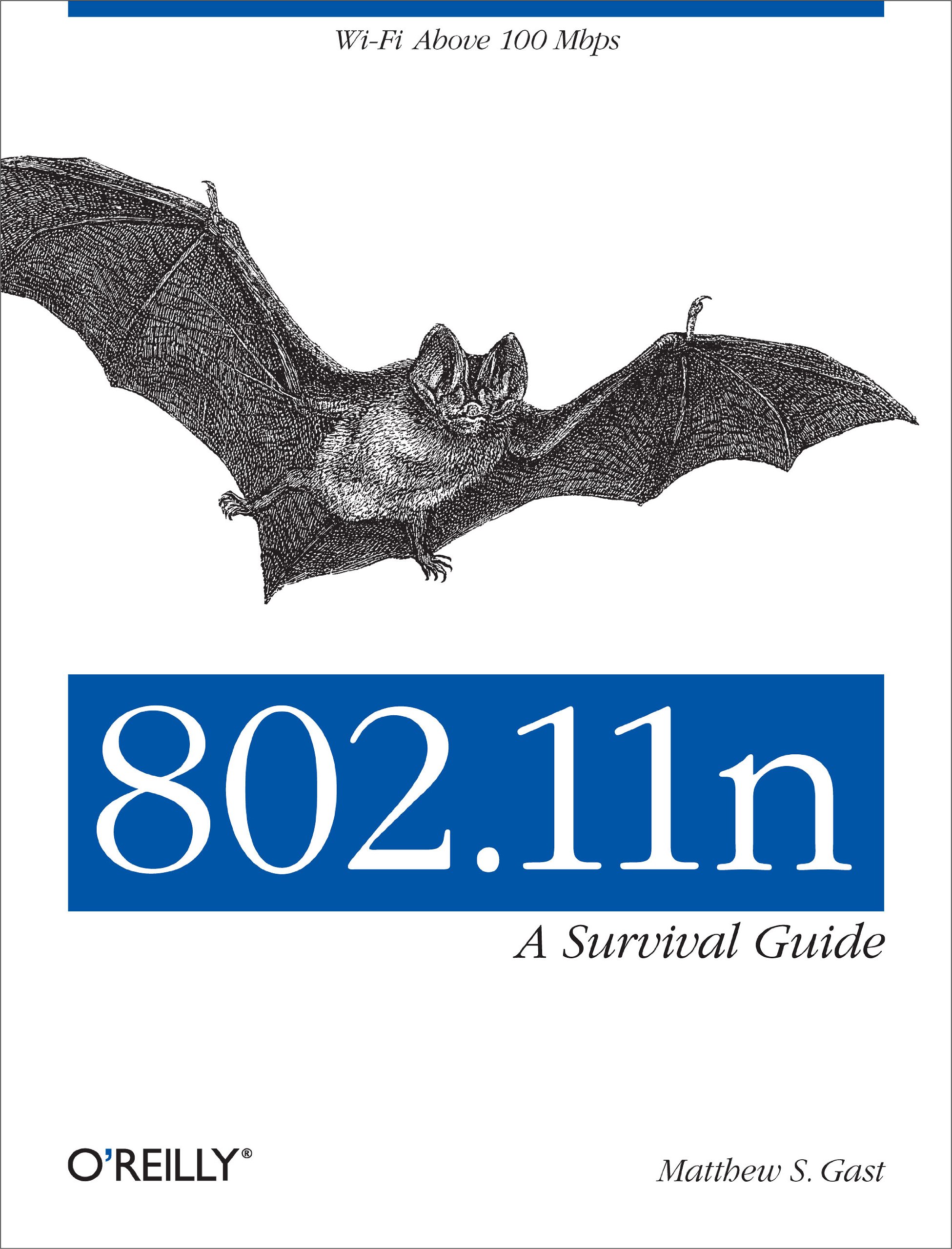
802.11n: A Survival Guide: Wi-Fi Above 100 Mbps
$2.00
The price is for reference only, the actual price shall be subject to that on Amazon.
802.11n Survival Guide: Wi-Fi Above 100 Mbps – Great Deal.
Concise guide to 802.11n wireless networks achieving speeds above 100 Mbps. Covers MIMO, channel bonding, and real‑world deployment tips. Now at an incredibly affordable price—ideal for IT pros and enthusiasts seeking high‑value technical knowledge.
Product Description
The material is presented in a concise, survival‑manual style, making it accessible for network engineers, IT administrators, and advanced hobbyists who need to deploy or troubleshoot high‑performance Wi‑Fi without wading through overly theoretical texts. The guide examines practical aspects such as choosing the right access points and client adapters, optimizing channel selection to minimize interference, and configuring security settings (WPA2, enterprise authentication) while maintaining throughput. It also discusses common deployment pitfalls—such as obstacles that degrade MIMO performance, improper antenna placement, and insufficient backhaul capacity—and provides straightforward workarounds.
The focus remains on actionable settings and measurements that deliver consistent speeds above 100 Mbps in real office or home environments. The tone is neutral and instructive, avoiding promotional language while emphasizing the technical trade‑offs behind each design decision. Designed for readers who already have basic Wi‑Fi knowledge, this guide fills the gap between superficial overviews and dense IEEE specifications.
It is especially useful for those upgrading from 802.11g or early draft‑n equipment who want to understand the physical and MAC layer improvements that make higher speeds possible. The compact format allows quick referencing during actual installation or troubleshooting tasks.
While not an exhaustive academic reference, it covers all critical aspects needed to achieve reliable, high‑throughput 802.11n networks. Given its low price point, the guide offers exceptional value for anyone seeking a clear, no‑frills explanation of the technology.
Price Compare


Today's Deals