The Home Network Manual is a comprehensive reference guide designed for anyone looking to establish, enhance, or safeguard their home network. This practical resource walks through the entire process from initial router placement to advanced security configurations. It covers essential topics such as selecting the right equipment, setting up wired and wireless connections, optimizing signal strength, and implementing firewall protections. The manual also addresses common troubleshooting steps and explains how to manage multiple devices without congestion. Written in clear, non-technical language, it makes complex networking concepts accessible to beginners while still offering valuable insights for experienced users. The book emphasizes real-world applicability, providing step‑by‑step procedures that can be followed without prior expertise. Its structured chapters allow readers to jump directly to sections on upgrading hardware, securing smart home devices, or setting up parental controls. Each topic is presented with practical examples and configuration details that help translate theory into functional home network improvements. The manual’s neutral, instructional tone ensures that readers gain accurate knowledge without marketing hype. Given its very affordable price point, this guide delivers substantial value for the information it contains. It serves as a reliable desktop companion that can reduce the need for external support or expensive technician visits. The content remains relevant across various operating systems and router brands, making it a versatile purchase for households aiming to achieve stable, secure connectivity. The manual’s physical format offers durability and easy reference during setup tasks. Its pages are organized with clear headings, diagrams, and checklists that simplify complex procedures. Readers can follow along while physically handling their equipment, which reduces errors and speeds up the installation process. The book also addresses network maintenance, including firmware updates and signal interference reduction. It explains how to set up guest networks and VPNs, adding layers of privacy for remote work or streaming. Security chapters highlight password management, encryption standards, and common vulnerability points, empowering users to protect their personal data. The guide does not promise unrealistic results but instead provides realistic expectations and proven methods for improving network performance. It acknowledges that home networks vary, offering adaptable advice rather than one‑size‑fits‑all solutions. For those seeking to maximize their internet investment, this manual is a low‑risk, high‑information resource. Its straightforward approach eliminates guesswork and helps users avoid common pitfalls like poor router placement or outdated security settings. The manual also contains tips for extending range using mesh systems or powerline adapters, which are increasingly relevant in modern homes.
Home Network Manual Complete Setup Guide at a Bargain Price on Amazon
WIFI and Networking
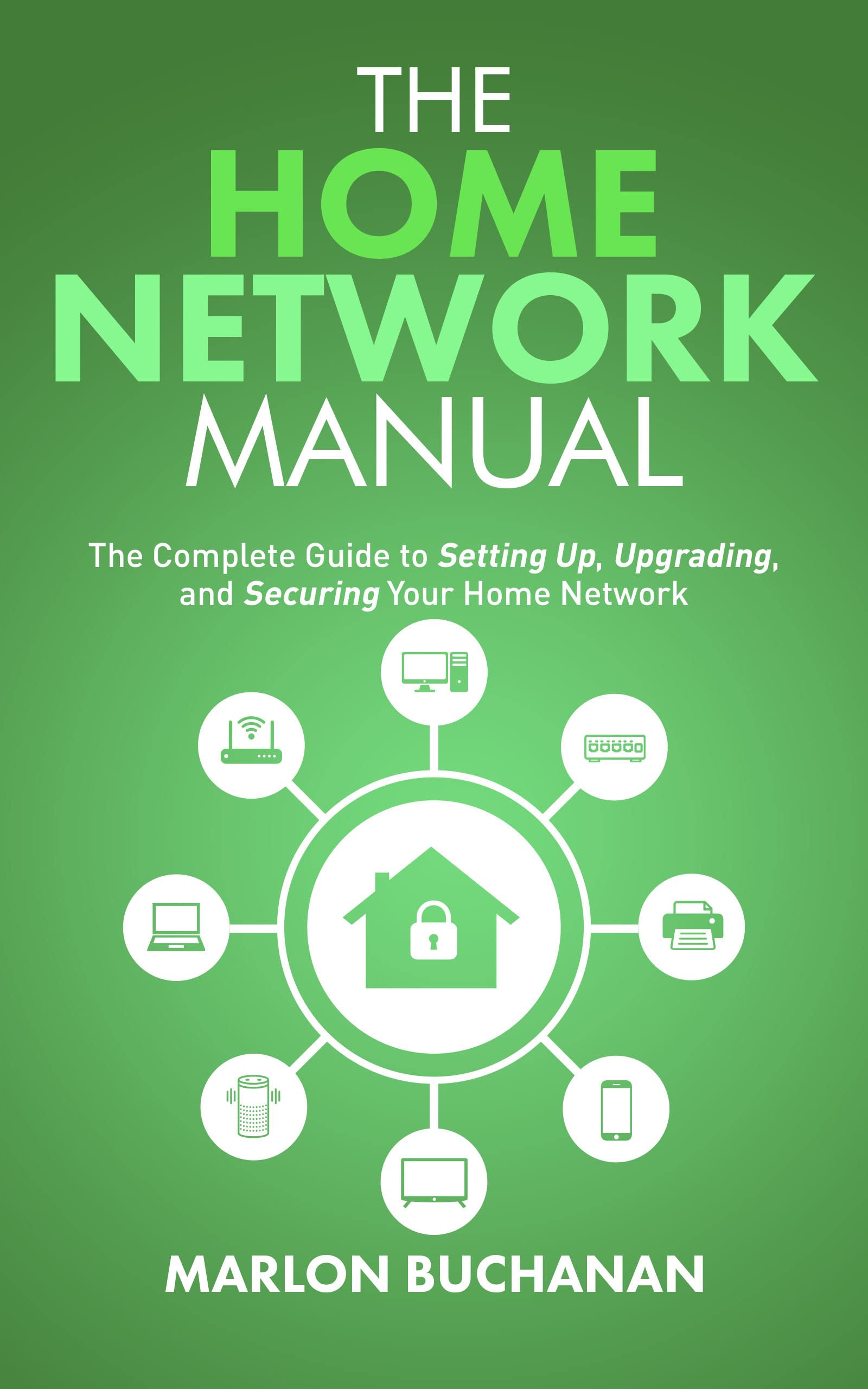
The Home Network Manual: The Complete Guide to Setting Up, Upgrading, and Securing Your Home Network (Home Technology Manuals)
$1.00
The price is for reference only, the actual price shall be subject to that on Amazon.
Home Network Manual: Complete Setup Guide at a Bargain Price on Amazon.
The Home Network Manual provides step-by-step instructions for setting up, upgrading, and securing your home network. Priced at an incredible value, this guide helps you improve connectivity and protect your devices. An affordable, must-have resource for any household.
Product Description
It is a well‑rounded tool that supports both initial setup and ongoing optimization. The value proposition of this manual is especially strong when considering the cost versus potential savings from avoided service calls or equipment misuse. It empowers users to make informed decisions about upgrades, such as choosing between Wi‑Fi 6 and older standards, without being pressured by marketing language. The book’s neutral stance on specific brands prevents bias, focusing instead on principles that apply universally. It also covers basic networking terminology like IP addresses, DNS, and DHCP, ensuring readers understand the underlying technology. The manual is suitable for renters and homeowners alike, as the advice works in apartments, houses, and small offices. Its emphasis on security is particularly timely given the rise of IoT devices and remote work. By following the manual’s guidelines, users can create a stable foundation that reduces lag during video calls and prevents unauthorized access. The writing style is respectful of the reader’s time, avoiding unnecessary padding while delivering actionable steps. This makes it an efficient reference for busy individuals who need quick answers. Its compact size means it can sit beside the modem without taking up much space. For anyone looking to take control of their home network without spending excessive money, this manual represents a smart, economical choice that pays for itself many times over in convenience and peace of mind.
Price Compare




















Today's Deals