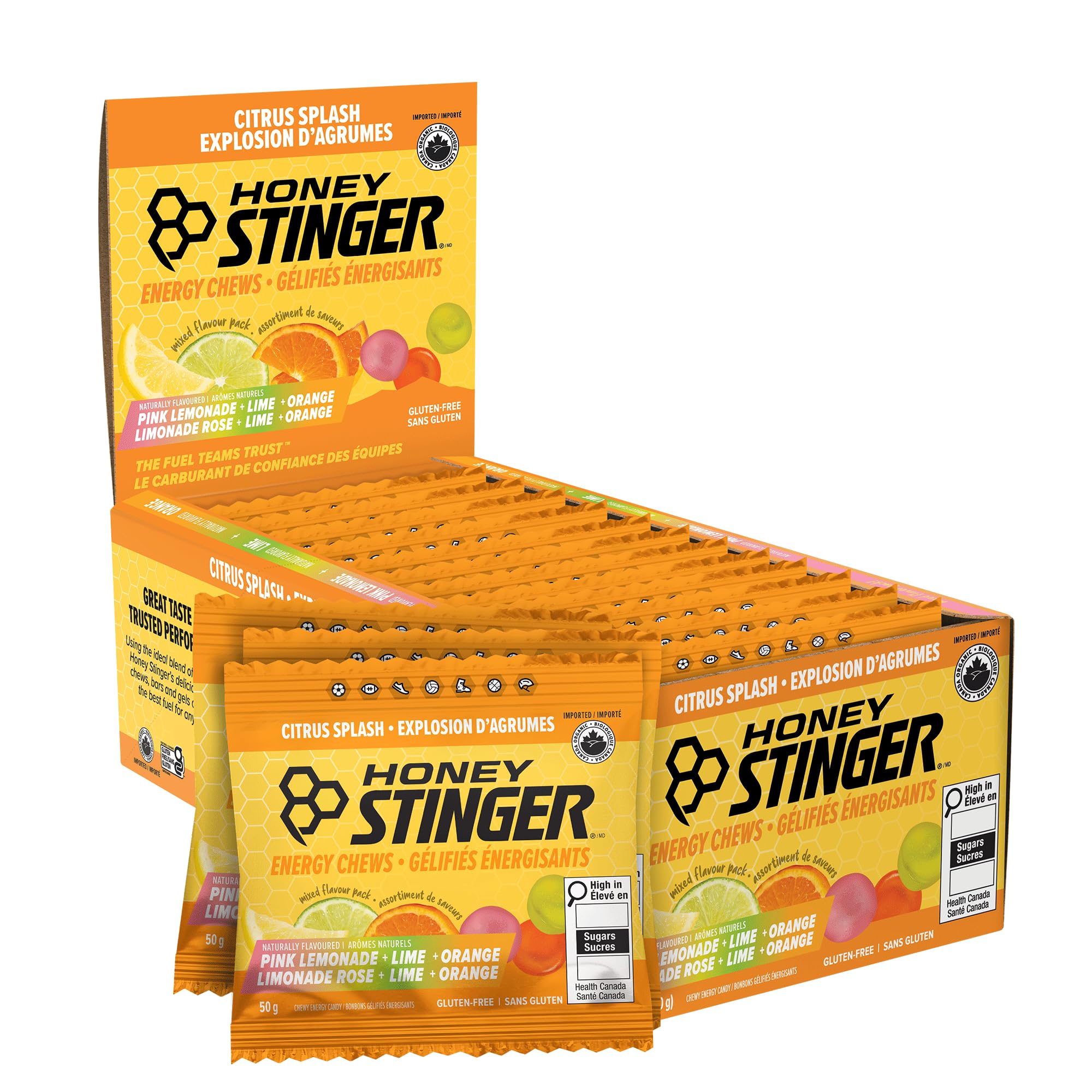
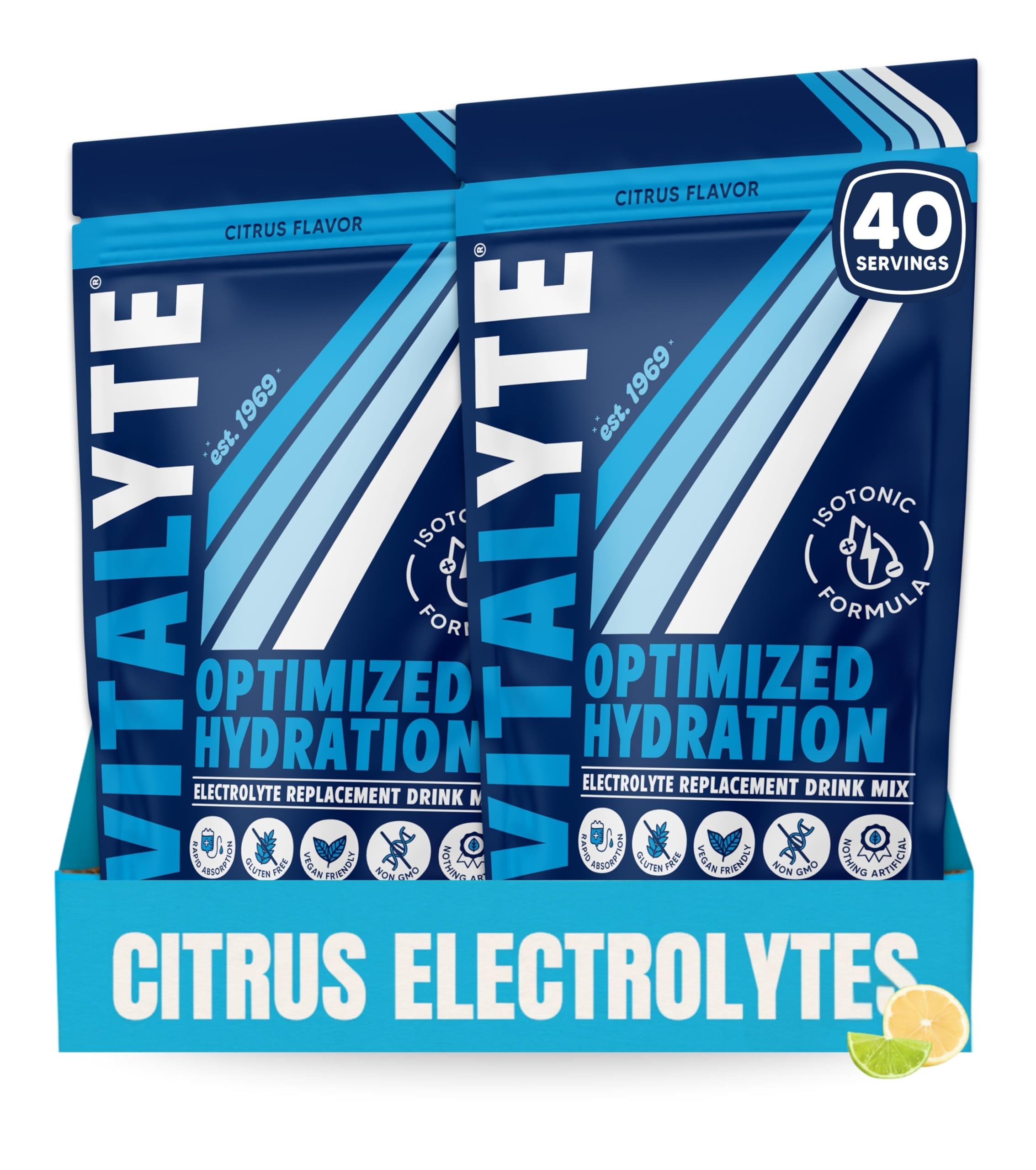
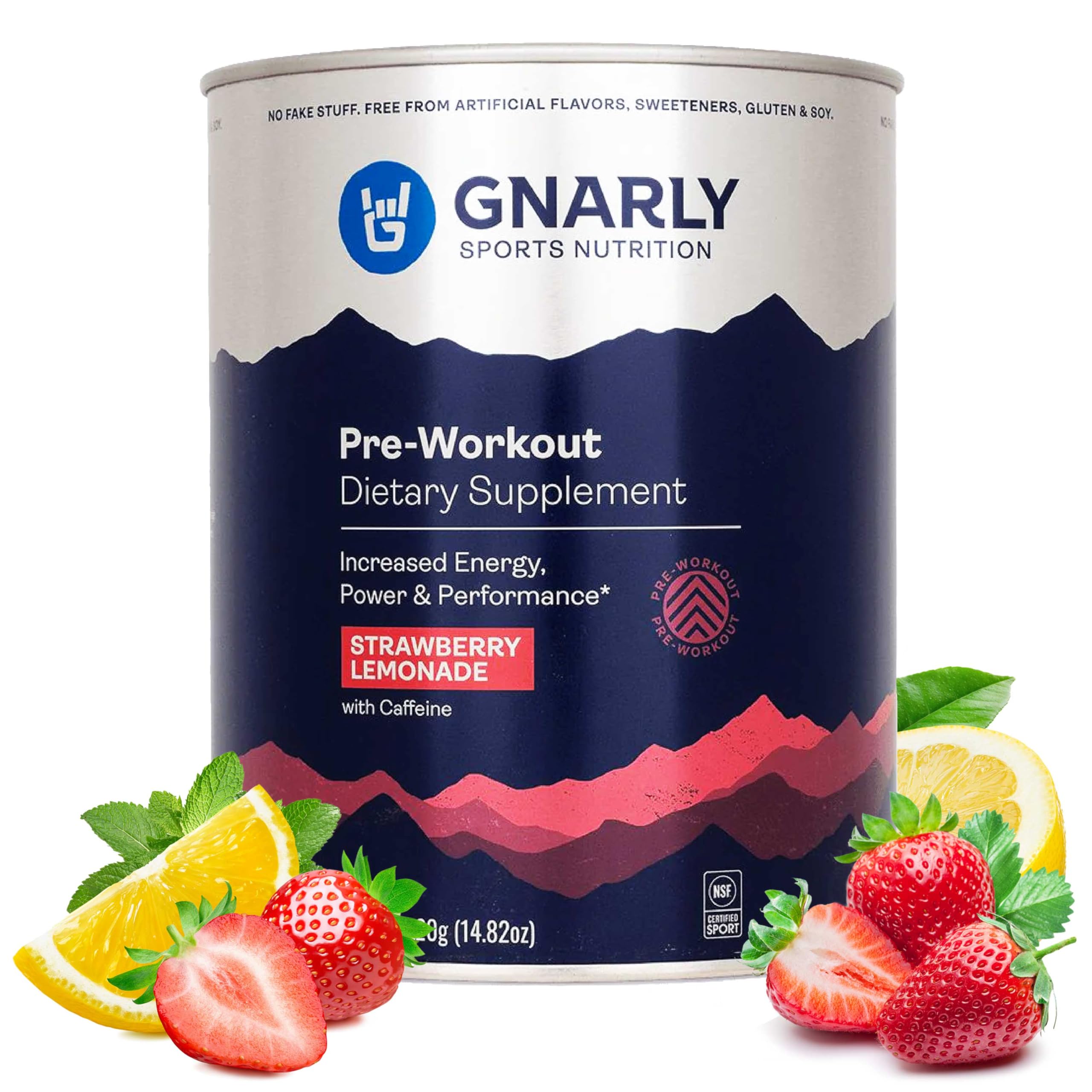
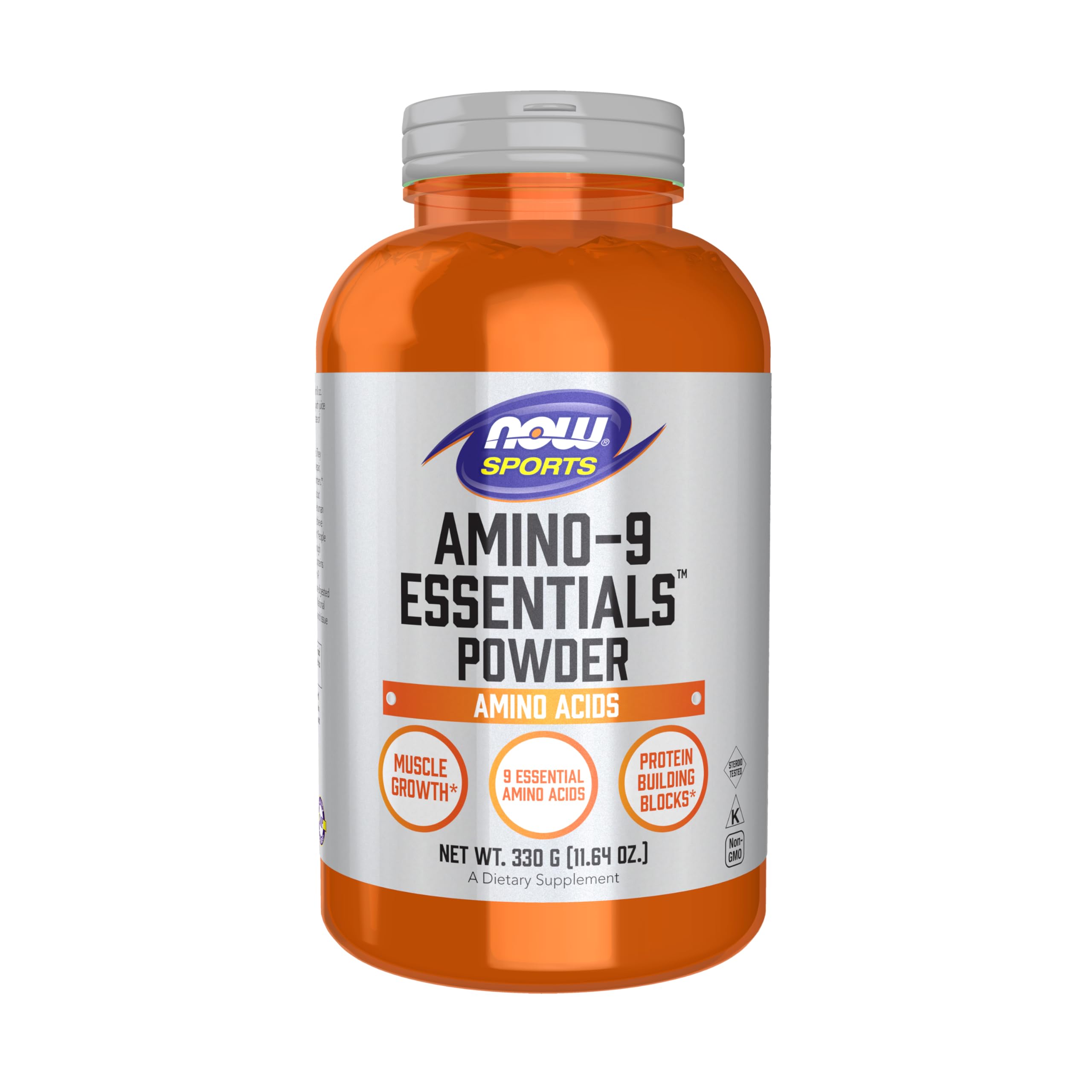
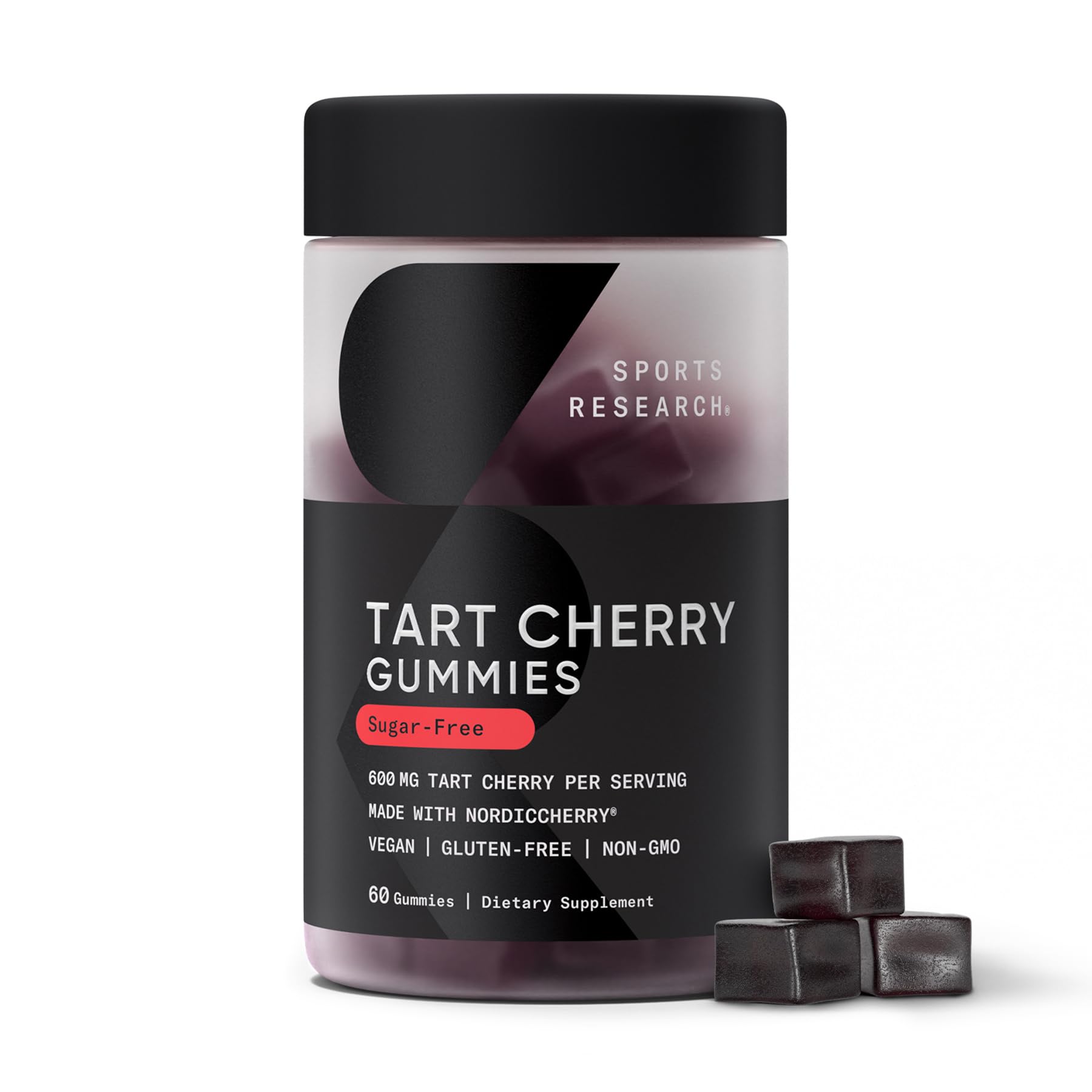
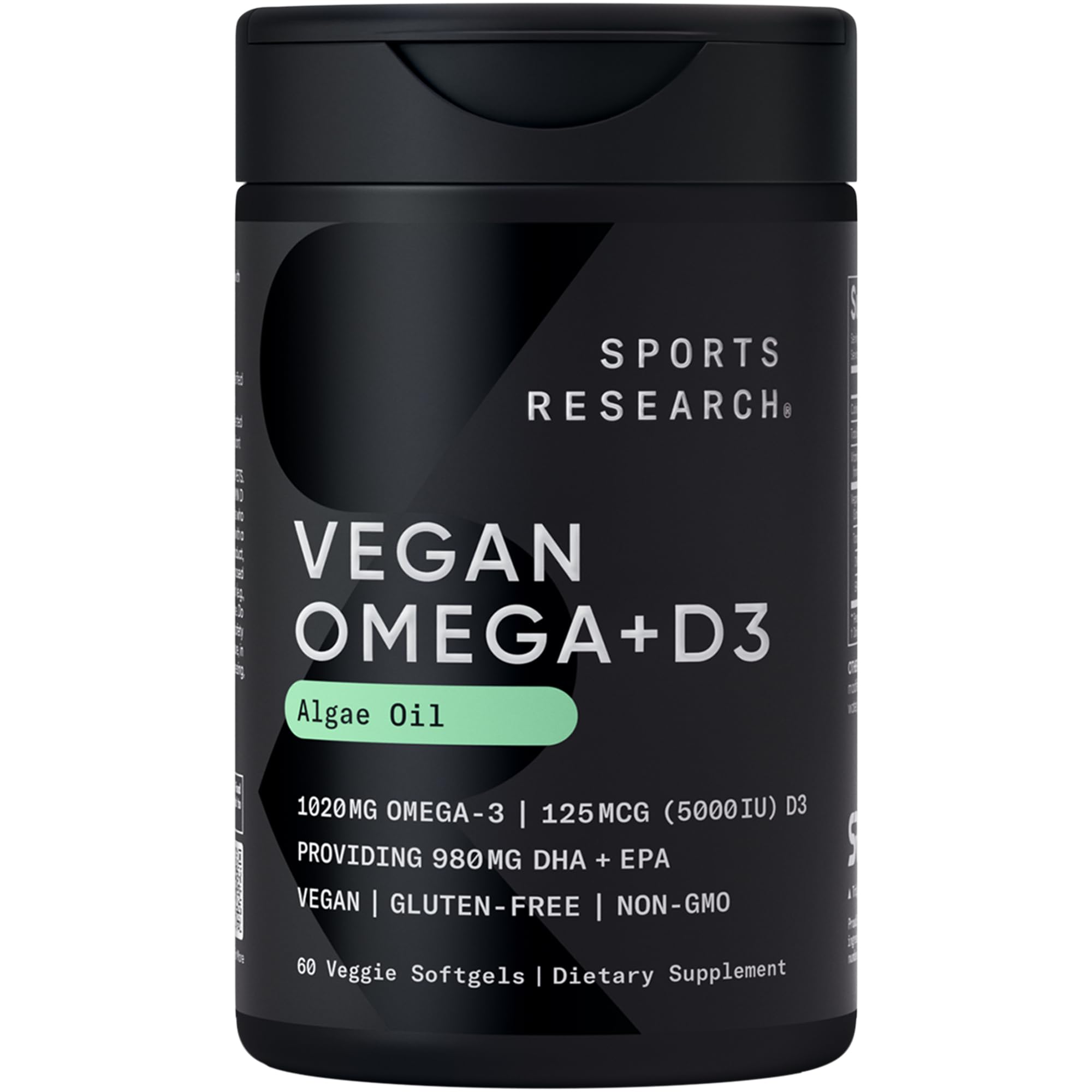
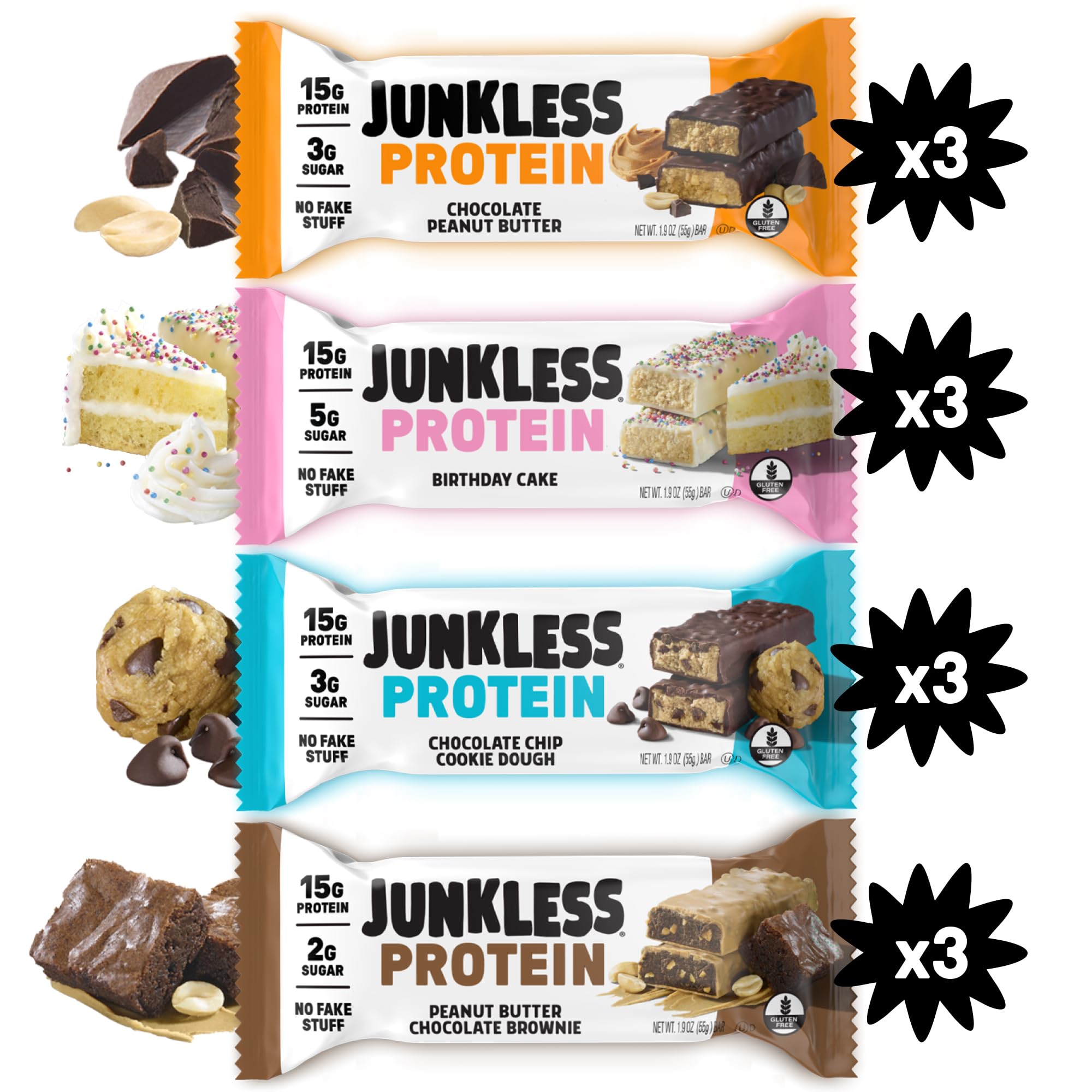
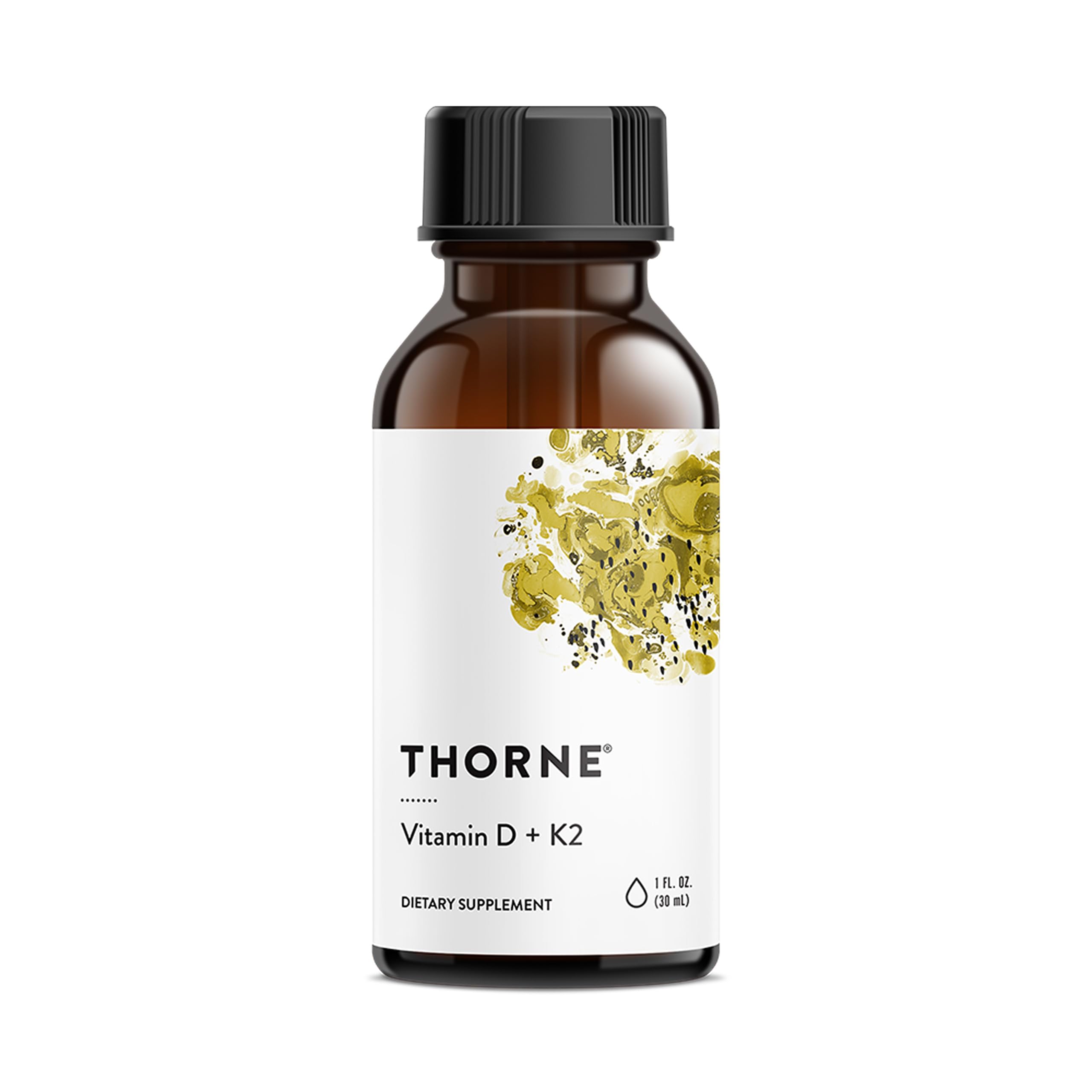
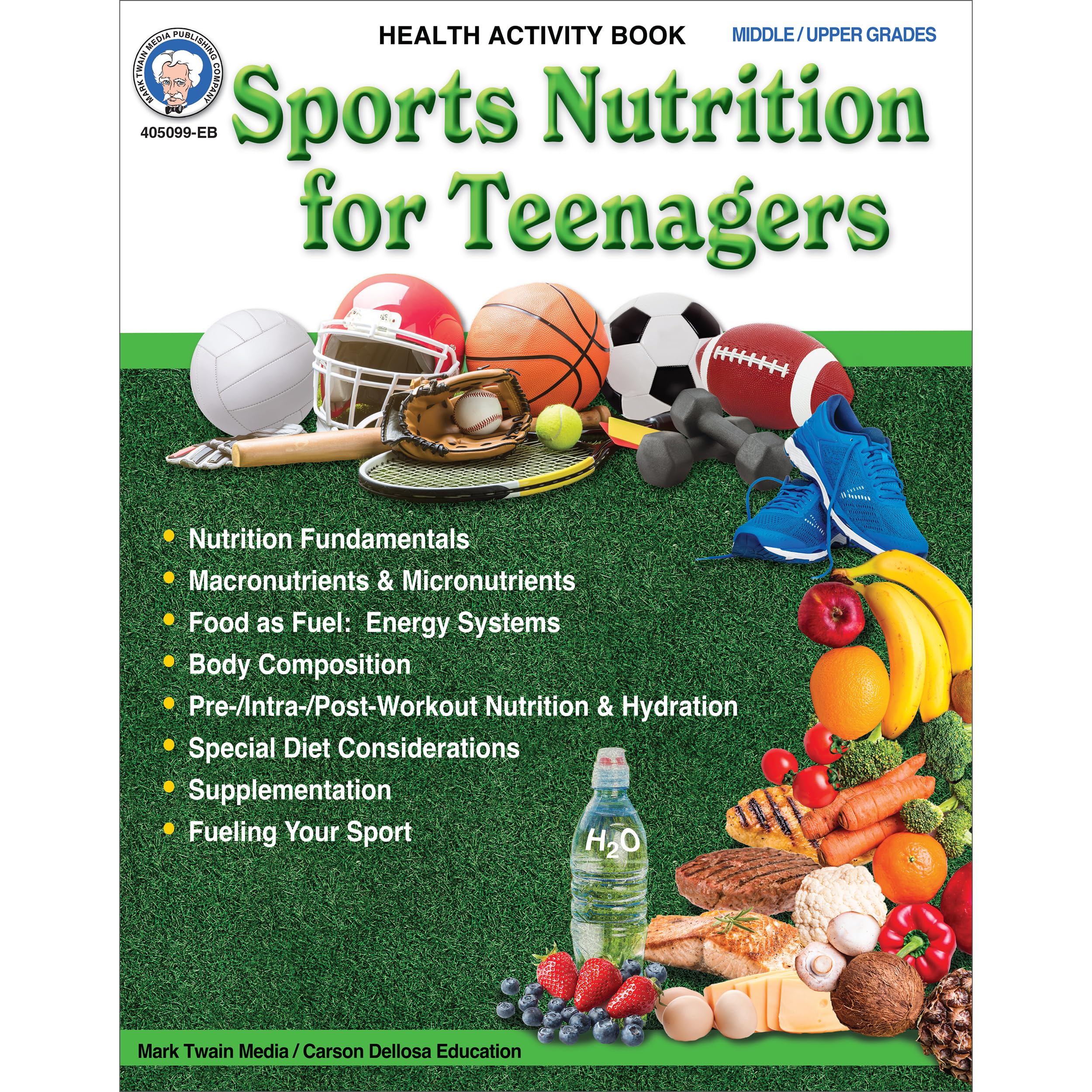
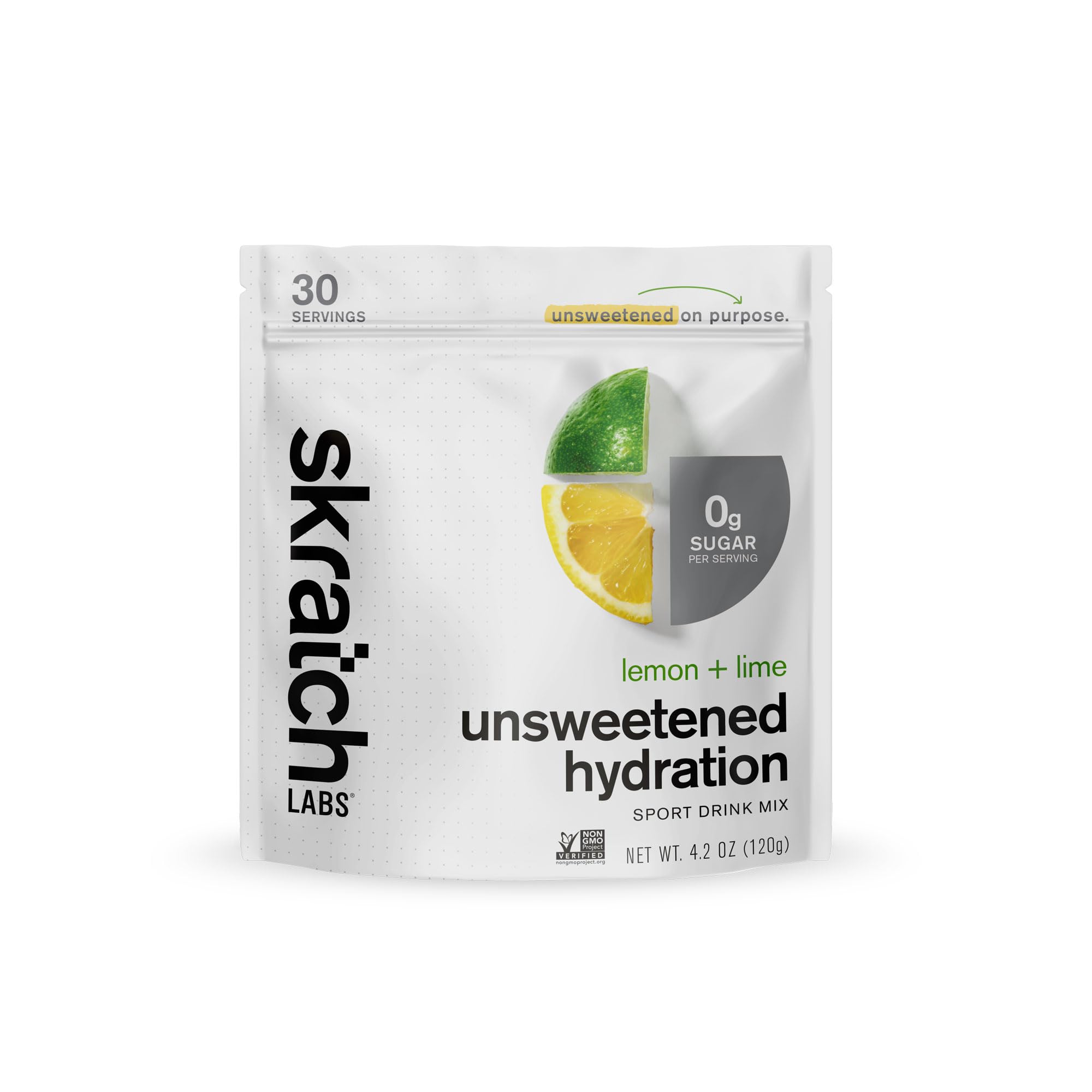
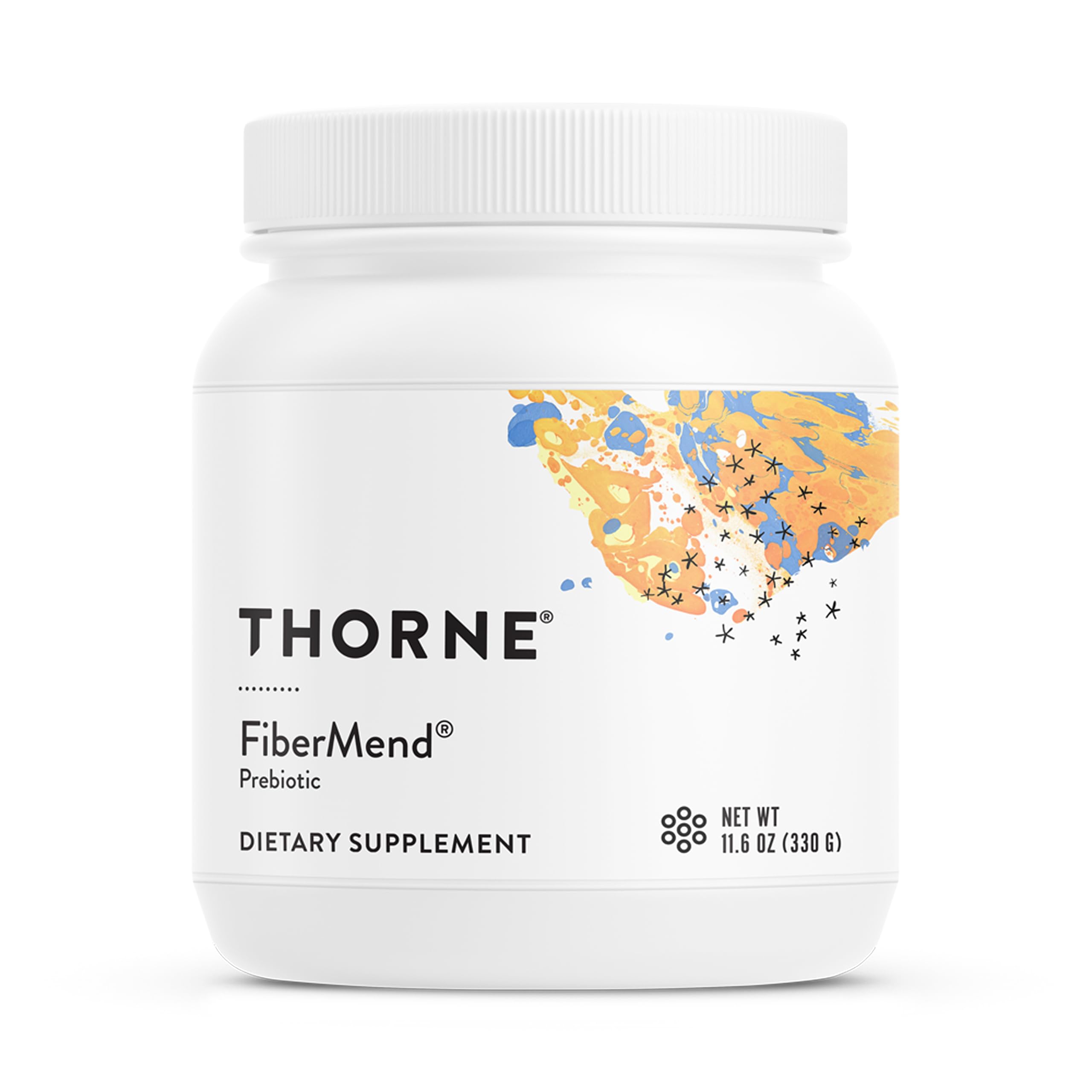
High-Performance Nutrition for High School Athletes offers a thorough exploration of dietary strategies tailored specifically to the needs of young competitors and their families. The guide systematically addresses core nutritional science, explaining how macronutrients—carbohydrates, proteins, and fats—function as fuel sources for training, competition, and recovery. It also delves into micronutrient requirements, emphasizing the role of vitamins and minerals in bone health, immune function, and energy metabolism. Written in an accessible yet authoritative tone, the book presents evidence-based recommendations without oversimplifying the complexities of sports nutrition. It avoids vague promises and instead provides actionable frameworks for assessing individual caloric needs based on sport type, intensity, and body composition goals. The text is structured to help parents and athletes navigate grocery shopping, meal preparation, and timing of nutrient intake around practice sessions. All advice is grounded in current research, making it a reliable reference for anyone seeking to optimize dietary habits without resorting to fad diets or unsubstantiated supplements. Meal planning receives dedicated attention, with sample menus and portion guides designed for busy high school schedules. The guide explains how to balance pre-workout meals for sustained energy, intra-workout fueling for endurance activities, and post-exercise nutrition to enhance muscle repair and glycogen replenishment. It explicitly discusses hydration strategies, including electrolyte balance and the role of sports drinks versus water depending on exercise duration and sweat loss. The approach is practical: it encourages gradual adjustments rather than radical overhauls, recognizing that young athletes often face social and logistical constraints. Recipes and shopping lists are included, though the book stresses that individualization is key. The writing avoids marketing hype and instead fosters critical thinking about popular supplements like protein powders, branched-chain amino acids, and creatine, weighing their potential benefits against cost and safety considerations. This balanced perspective makes it a valuable tool for both novices and those already familiar with nutrition basics. A notable section addresses the unique psychological and social factors affecting high school athletes’ eating behaviors, such as peer influence, body image concerns, and time management challenges. The guide offers communication strategies for parents to support healthy choices without creating pressure or conflict. It also covers special scenarios, including vegetarian or vegan preferences, food allergies, and travel nutrition for competitions. While the book does not prescribe one-size-fits-all solutions, it equips readers with the knowledge to construct their own sustainable eating plans. The tone remains neutral and educational, steering clear of sensational claims about immediate performance gains.
Teen Athlete Nutrition Guide Great Value on Amazon

Sports Nutrition
High-Performance Nutrition for High School Athletes: A Guide for Athletes and Parents to Fuel for Maximum Performance
Special Offer
The price is for reference only, the actual price shall be subject to that on Amazon.
Teen Athlete Nutrition Guide: Great Value on Amazon.
Evidence-based sports nutrition strategies for high school athletes and parents. Covers meal plans, hydration, supplements, and recovery. A practical, affordable resource for maximizing performance. Great value for fueling young competitors.
Product Description
Instead, it emphasizes consistency and long-term health as foundations for athletic success. Appendices include quick reference charts for nutrient timing and easy-to-calculate macronutrient targets. This guide stands out for its clear organization and depth of content at a very affordable price point. It avoids overcomplicating topics while still providing enough detail to satisfy curious minds. The authors focus on practicality, ensuring that the advice can be implemented with common foods rather than expensive specialty products. For high school athletes and their parents seeking a credible, cost-effective resource to improve performance through better nutrition, this book represents exceptional value. It does not guarantee miraculous results but offers a solid, research-backed foundation that empowers informed decision-making.
Today's Deals