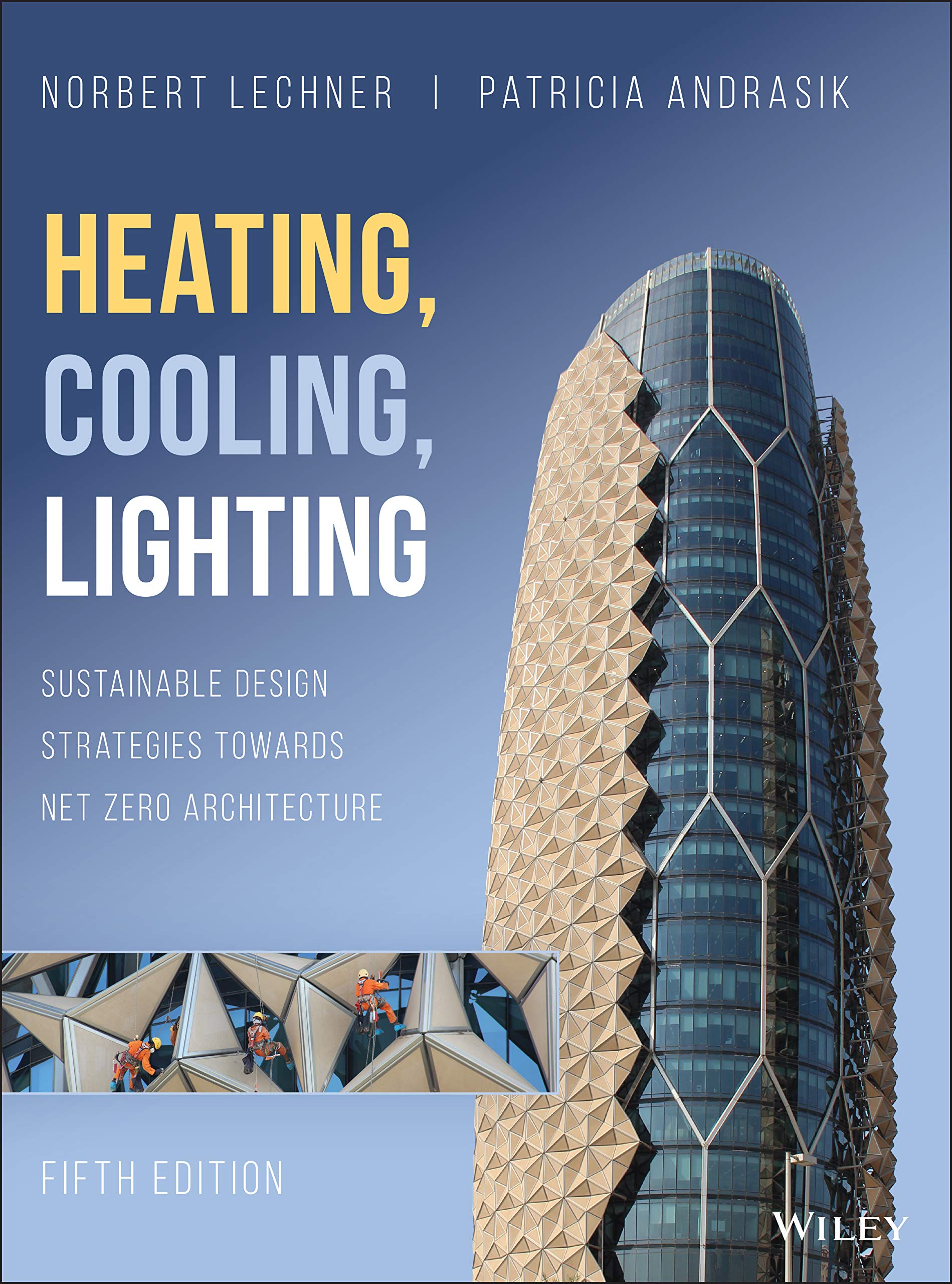
This publication provides a comprehensive examination of lightweight radiant heating and cooling systems, focusing on both thermal performance and economic feasibility. It presents a detailed analysis of heat transfer mechanisms, system design parameters, and operational efficiencies specific to radiant technologies. The text draws on engineering principles and real-world data to explain how these systems can reduce energy consumption while maintaining indoor comfort. Emphasis is placed on the lightweight construction of components, which simplifies installation and reduces structural load requirements. The economic analysis includes life-cycle cost assessments, payback period calculations, and comparisons with conventional HVAC approaches. Readers will find carefully documented case studies that illustrate system behavior under varying climatic conditions. The content is supported by tables, graphs, and mathematical models that clarify complex thermodynamic relationships. Material considerations such as thermal conductivity, emissivity, and durability are discussed to guide component selection. The book also addresses practical challenges like condensation control, zoning strategies, and integration with building automation. By grounding theoretical concepts in applied examples, it serves as a resource for engineers, architects, and researchers seeking to evaluate or implement radiant heat transfer solutions. The objective tone ensures that findings are presented without speculative claims, making it suitable for academic reference and professional decision-making. Every chapter builds toward a clear understanding of how lightweight radiant systems can offer both thermal effectiveness and cost advantages. The work systematically breaks down the power requirements of radiant panels and hydronic loops, correlating design variables with energy savings. It explores how radiant systems differ from forced-air systems in terms of heat distribution uniformity and air movement. The economic section goes beyond initial costs to consider maintenance, equipment lifespan, and utility rate structures. Sensitivity analysis is included to show how changes in fuel prices or installation labor affect overall viability. For those involved in sustainable building design, the book offers a balanced perspective on trade-offs between thermal comfort and financial investment. The language remains technical yet accessible, avoiding unnecessary jargon. Tables of thermal properties and economic metrics are clearly labeled, allowing quick reference.
Lightweight Radiant Heating & Cooling Analysis Great Deal at $132

Heating and Cooling
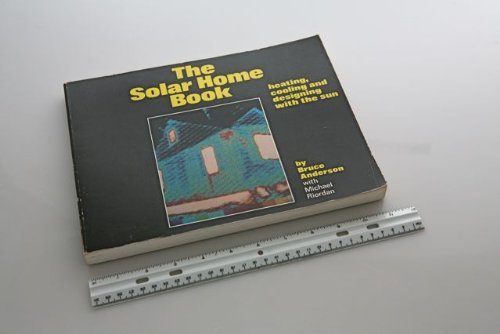
Lightweight Radiant Heating and Cooling Systems: Thermal Power and Economic Analysis
$132.00
The price is for reference only, the actual price shall be subject to that on Amazon.
Lightweight Radiant Heating & Cooling Analysis – Great Deal at $132.
Delve into lightweight radiant heating and cooling with comprehensive thermal and economic analysis. This resource offers energy savings insights and cost comparisons. Affordable at $132, it is a value-packed reference for engineers and architects.
Product Description
Ultimately, this volume delivers a solid foundation for anyone needing to assess lightweight radiant heating and cooling technologies from a combined thermal and economic standpoint.
Price Compare