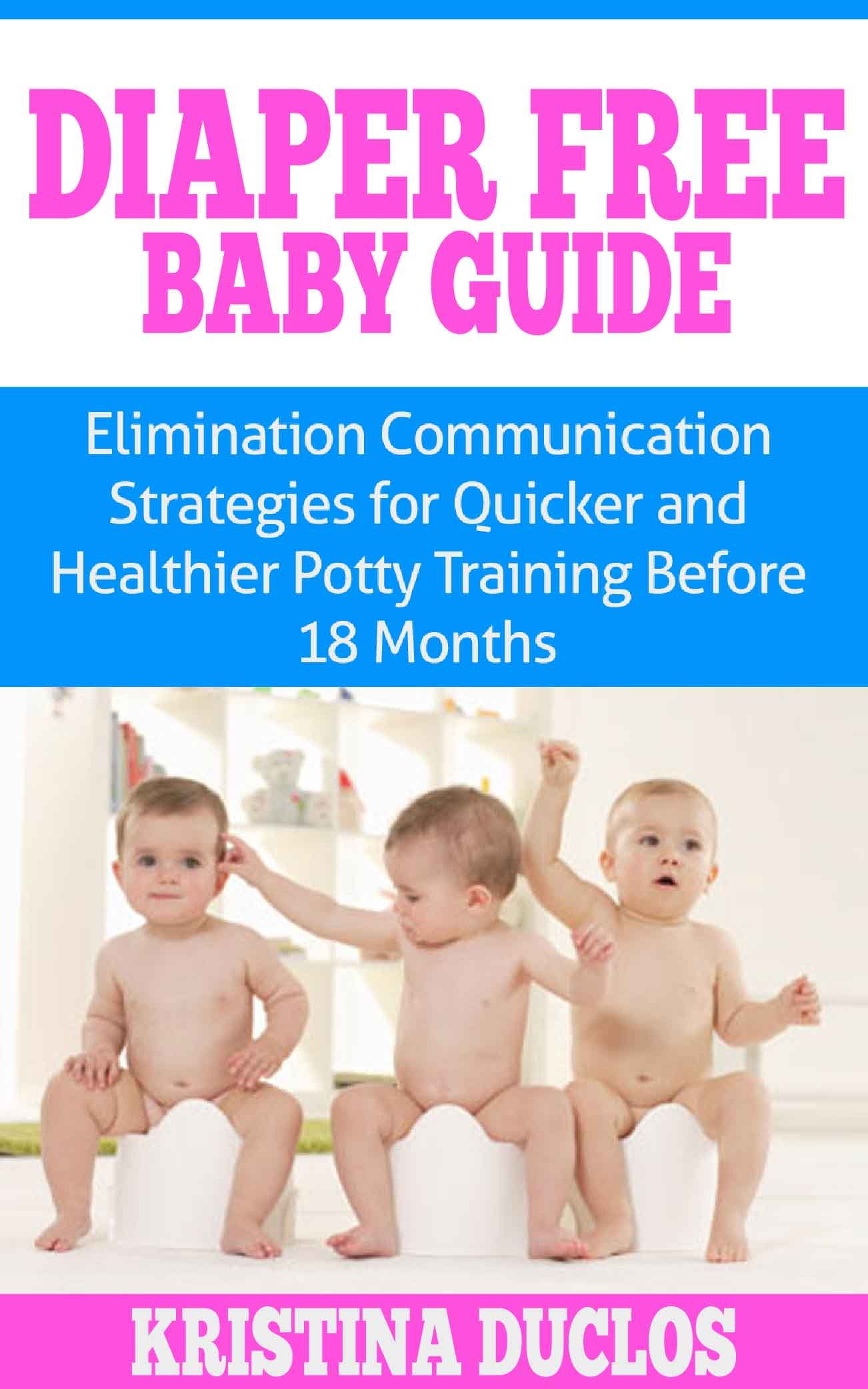
Elimination Communication (EC) offers an alternative approach to infant toilet training that focuses on early communication cues between parent and child. This guide presents a structured method for helping babies achieve diaper independence before the age of 18 months, emphasizing healthier development and quicker learning. The content is built around understanding baby’s natural elimination signals, using timing, and responding gently rather than relying on conventional potty training timelines. The strategies are grounded in observational practices that many caregivers find intuitive after a short period of adjustment. The book breaks down the core principles of EC into actionable steps, starting with how to recognize signs that a baby needs to eliminate. It explains the importance of consistent scheduling and responsive positioning, such as using a small potty or sink, without forcing or pressuring the child. The guide also addresses common challenges like travel, nighttime routines, and parental stress, offering practical solutions that work within busy family schedules. For toddlers who are already walking, the methods adapt to encourage self-initiation and independence. The tone is supportive and evidence-informed, avoiding rigid rules in favor of flexible strategies that respect each child’s pace. One distinctive feature of this resource is its focus on the health benefits associated with early EC, including reduced diaper rash, lower risk of chronic constipation, and earlier development of bladder awareness. The author draws on research into infant development and cultural practices where EC is common, providing a broader context for why this approach can be effective. The book does not claim to eliminate all accidents, but it helps reduce reliance on diapers significantly during early months, saving time and money in the long run. The writing is clear and accessible, suitable for first-time parents or those who have tried other methods without success. This guide is most valuable for parents seeking a gentle, low‐pressure alternative to conventional potty training that aligns with responsive parenting. It is particularly suitable for families who wish to start early, as early as birth, though the core strategies are designed for infants up to 18 months. Caregivers will find the recommendations easy to implement with minimal special equipment—just a small potty and awareness of baby’s cues. The book itself is a compact paperback, making it convenient to refer to during daily routines.
Great Value Diaper Free Baby Guide EC Potty Training Strategies for Parents
Diapering
Diaper Free: Baby Guide - Elimination Communication Strategies for Quicker & Healthier Potty Training Before 18 Months (Toddler parenting, potty training, ... book, toilet training, parenting guide)
Special Offer
The price is for reference only, the actual price shall be subject to that on Amazon.
Great Value Diaper Free Baby Guide: EC Potty Training Strategies for Parents.
Get the affordable Diaper Free baby guide for elimination communication potty training. Learn gentle strategies to toilet train your baby before 18 months—a great value for parents.
Product Description
It offers a practical, cost-effective gateway to learning elimination communication at a very affordable price point, without the need for expensive classes or gadgets.
Today's Deals